Asphalt Paving Experts
What Is Asphalt Paving?
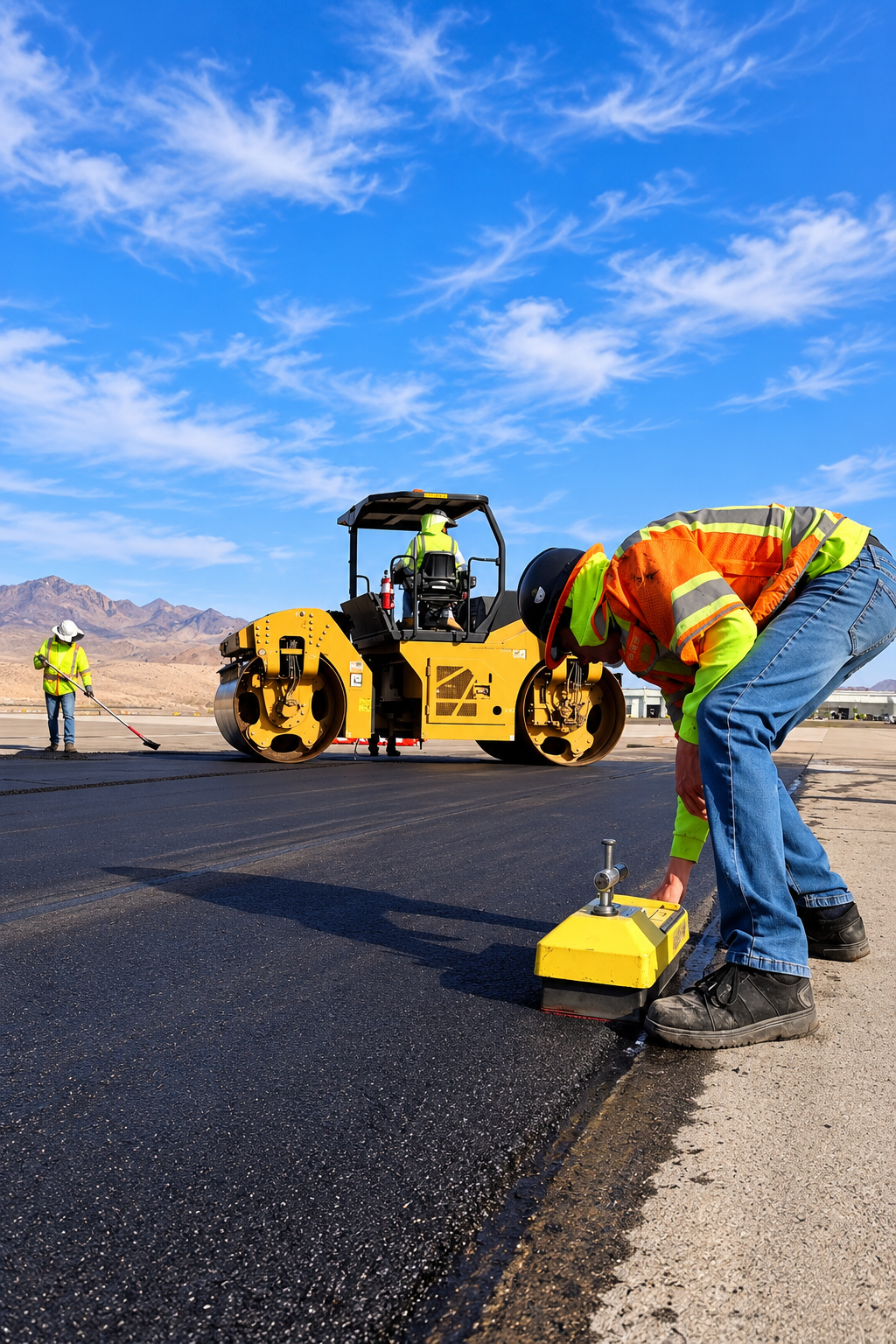
Asphalt paving is the process of creating a smooth, strong, and durable surface using a mixture of asphalt binder, crushed stone, sand, and other aggregates. It is commonly used for driveways, parking lots, private roads, commercial properties, industrial areas, and high-traffic surfaces because it provides a reliable combination of strength, flexibility, affordability, and long-term performance. Asphalt pavement is designed to support regular vehicle traffic while providing a clean, professional appearance and a comfortable driving surface.
The asphalt paving process normally begins with site preparation, grading, and base construction to create a stable foundation. After the area is properly prepared, hot asphalt material is placed evenly over the surface and compacted with specialized equipment. Proper grading helps control drainage, while professional compaction creates a dense surface that can better resist cracking, water penetration, shifting, and daily wear. The quality of the base, materials, installation, and compaction all play an important role in the final strength and durability of the pavement.
Professional asphalt paving can improve safety, accessibility, drainage, curb appeal, traffic flow, and overall property value. A well-installed asphalt surface provides better traction, smoother vehicle movement, and a more organized appearance for residential and commercial properties. With routine care such as crack sealing, sealcoating, pothole repair, surface cleaning, and pavement maintenance, asphalt can remain attractive, functional, and dependable for many years while helping reduce the risk of larger and more expensive pavement problems.
When Is Asphalt Paving Necessary?
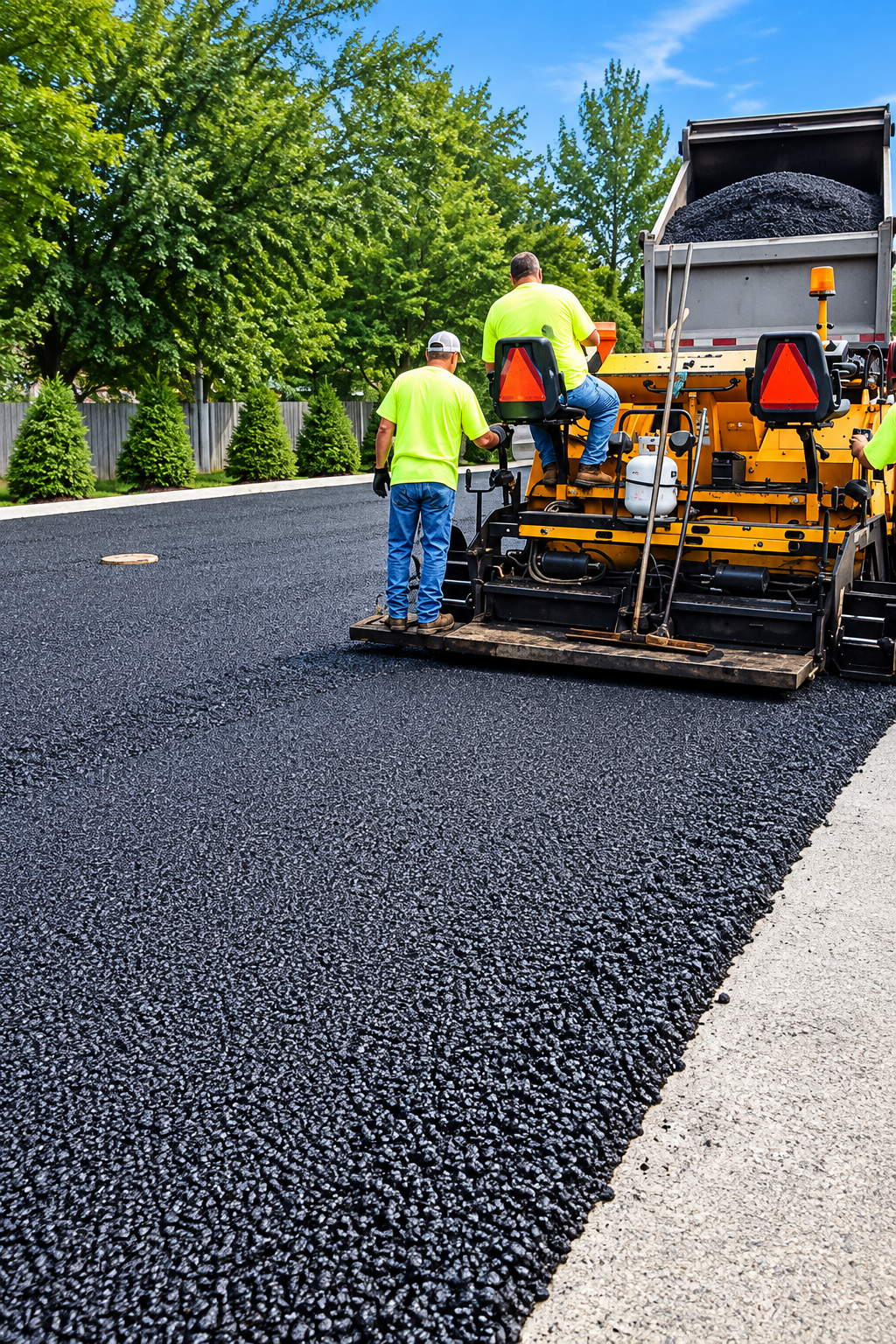
Asphalt paving is necessary when a surface becomes severely cracked, uneven, deteriorated, or unsafe for regular vehicle and pedestrian use. Common warning signs include large potholes, widespread cracking, sinking areas, standing water, rough surfaces, and repeated repair problems. New asphalt paving may also be needed when a gravel or dirt area must be converted into a smooth, durable surface for driveways, parking lots, private roads, commercial properties, industrial facilities, and other high-traffic areas.
It is also necessary during new construction, property development, parking lot expansion, roadway installation, or major renovation projects. Proper asphalt paving helps create a stable surface, improves drainage, supports consistent traffic flow, and provides safer access throughout a property. Businesses may require new paving to improve parking organization and customer access, while homeowners may need paving for a new driveway, driveway extension, or replacement of an older surface that can no longer be effectively repaired.
Asphalt paving is also a practical solution when property owners want to improve safety, appearance, accessibility, curb appeal, and long-term pavement performance. A professionally prepared base, correct grading, quality asphalt materials, and proper compaction help the surface withstand traffic loads, moisture, temperature changes, and everyday wear. With ongoing care such as sealcoating, crack sealing, pothole repair, and routine pavement maintenance, newly paved asphalt can remain smooth, attractive, and dependable for many years.
What Is Required For Asphalt Paving?
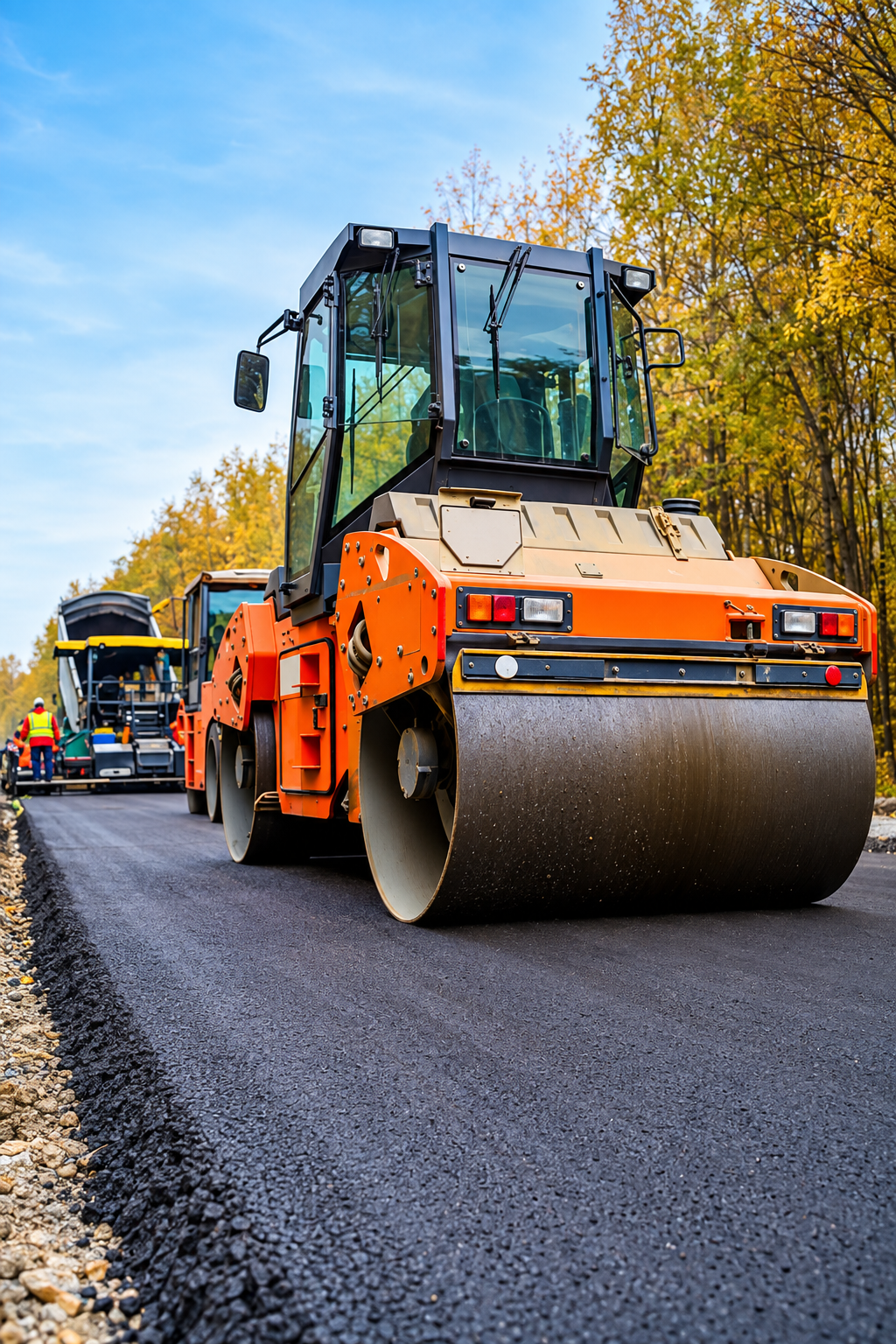
Asphalt paving requires proper planning, site preparation, grading, a stable base, quality asphalt materials, and professional paving equipment. Before installation begins, the area should be inspected to determine existing surface conditions, drainage needs, traffic requirements, and any weak or damaged sections. Old pavement, debris, vegetation, or unstable soil may need to be removed so the new pavement can be installed on a clean and properly prepared surface. Accurate grading is also important because it helps create the correct slope for water drainage and long-term pavement stability.
A strong asphalt surface also requires a properly constructed aggregate base and sub-base that can support the weight of vehicles and prevent premature movement or settling. Once the foundation is prepared and compacted, hot asphalt mix is delivered to the site and placed using paving equipment. The asphalt must be spread at the correct thickness and compacted with rollers while it is still at the proper temperature. Professional installation helps produce a smooth, dense, and even surface that can better resist cracking, potholes, moisture penetration, and heavy traffic.
Successful asphalt paving also depends on proper weather conditions, skilled workmanship, quality control, and adequate curing time. The surface should be installed when temperatures and site conditions allow the asphalt to be placed and compacted correctly. After paving is complete, the area should be protected from traffic until it has cooled and stabilized sufficiently. Long-term performance can be improved through regular crack sealing, sealcoating, drainage maintenance, pothole repair, and routine inspections, helping the pavement remain safe, attractive, and durable for years.
Our Reviews
What Our Customers Have to Say About Us!
Excellent asphalt paving service from start to finish. The crew was professional, arrived on time, and completed our parking lot with a smooth, clean finish. Very satisfied with the quality of work.

We hired them for asphalt repair and striping, and the results were great. The damaged areas were repaired properly, and the new parking lines look sharp and organized. Highly recommended.
Great experience with their sealcoating and pavement maintenance service. The team worked efficiently, kept the area clean, and made our old asphalt look much better. I would definitely use them again.
The Process
3 Step Process For Your Asphalt Paving Needs

Contact Us
Start by completing the 'Get a Free Quote' form on our website to share your Asphalt Paving needs with us.

Schedule Your Estimate
Next, we'll arrange a property visit at a time that works for you to provide an in-person estimate for your Asphalt Paving needs.

Get The Job Done
After you approve our estimate, we'll schedule a date to complete the job. Our team will work hard to exceed your expectations!
Request A Free Asphalt Paving Quote

BUSINESS
SERVICES
SERVICE AREAS
OPERATING HOURS
Sun: Closed
Mon: 7:00am - 7:00pm
Tue: 7:00am - 7:00pm
Wed: 7:00am - 7:00pm
Thu: 7:00am - 7:00pm
Fri: 7:00am - 7:00pm
Sat: 7:00am - 7:00pm